
Lessons of an Empty Tea Bowl
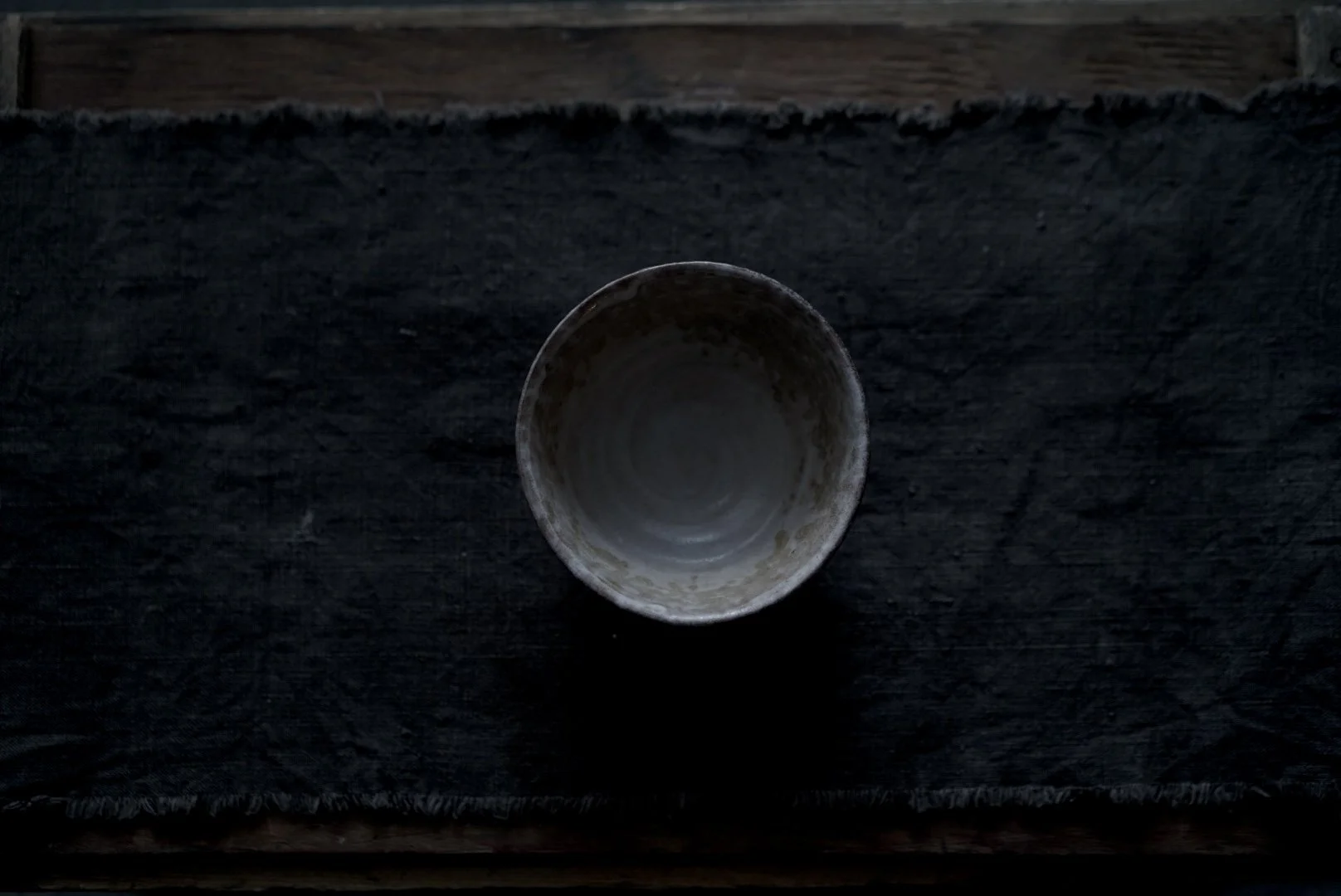
There is a quiet lesson hidden inside an empty tea bowl.
At first glance, it appears simple. Small. Ordinary. Yet within Zen philosophy and Japanese tea ceremony, the bowl is never just an object. It is a reflection of presence, impermanence, and the beauty of enough.
Its emptiness is what gives it purpose.
Without space inside it, nothing could be held.
Perhaps the same is true for us.
In a world constantly asking us to consume more, do more, become more, the tea bowl offers another way of living. One rooted in spaciousness, simplicity, and quiet awareness.
Here are a few lessons we can learn from an empty tea bowl.
1. Emptiness as Potential
An empty bowl is not lacking.
It is ready.
Zen philosophy often speaks of emptiness not as absence, but as possibility. Space allows something new to enter. Silence allows insight to emerge. A pause allows us to hear ourselves again.
Yet many of us fear emptiness because we associate it with loneliness, uncertainty, or inactivity.
But creativity often arrives in open space.
Clarity appears when the mind is not overcrowded.
New beginnings require room to enter.
The bowl teaches us that emptiness is not something to fear. It is part of the process of receiving.
2. Cultivate Stillness and Presence
Tea ceremony is slow by nature.
Every movement is intentional. The pouring of water. The holding of the bowl. The pause before the first sip.
Nothing is rushed because the practice itself is about presence.
Stillness is not about removing yourself from life. It is about fully arriving within it.
So often we move through our days distracted, consuming, reacting, thinking ahead to the next thing before fully experiencing the current moment.
The tea bowl reminds us to pause.
To feel the warmth in our hands.
To notice the light in the room.
To be where we are.
Presence transforms ordinary moments into meaningful ones.
3. Flow With the Rhythm of Life
Tea cools. Steam disappears. Seasons change.
Nothing remains fixed.
The Tao teaches us that life moves in cycles and rhythms. Water flows without force. Nature unfolds without urgency.
Yet we often resist change, trying to hold onto moments, identities, or expectations long after they have shifted.
The tea bowl teaches another approach.
To soften.
To adapt.
To trust movement instead of resisting it.
There is wisdom in allowing life to unfold naturally rather than trying to control every outcome.
Not everything needs to be forced forward.
4. Find Beauty in Impermanence
Many handmade tea bowls are uneven, weathered, or marked by time.
This is not considered a flaw. It is part of their beauty.
Wabi-sabi honours the imperfect, the incomplete, and the impermanent. A crack in the glaze. A worn texture. A faded edge softened through years of use.
These signs of time tell a story.
Modern culture often teaches us to hide imperfection and chase permanence. But life itself is transient. Nothing remains untouched by change.
The tea bowl reminds us that beauty deepens through age, use, and experience.
Not despite impermanence, but because of it.
5. Honour the Interconnectedness of Things
A bowl does not exist alone.
It is shaped by earth, water, fire, and human hands. Tea itself comes from seasons, soil, rain, and care.
Everything participates in everything else.
Zen philosophy often points toward this interconnectedness. The understanding that we are not separate from nature, from one another, or from the rhythms around us.
Even the smallest rituals reveal this.
The warmth of tea.
The sound of pouring water.
The stillness shared between people.
The tea bowl reminds us that life is relational. Quietly woven together through countless unseen connections.
6. Release the Need for Perfection
No handmade tea bowl is perfectly symmetrical.
Its beauty comes from its irregularities. The subtle marks left by process, pressure, and time.
Perfection often creates distance. But imperfection feels human.
So much suffering comes from trying to become flawless before allowing ourselves to rest, create, begin, or be seen.
The tea bowl asks for something different.
To let go of excessive refinement.
To stop polishing away what is real.
To trust that authenticity carries its own quiet beauty.
There is freedom in allowing things to remain slightly unfinished.