
Uncarved Block, Unbleached Silk - Alan Watts
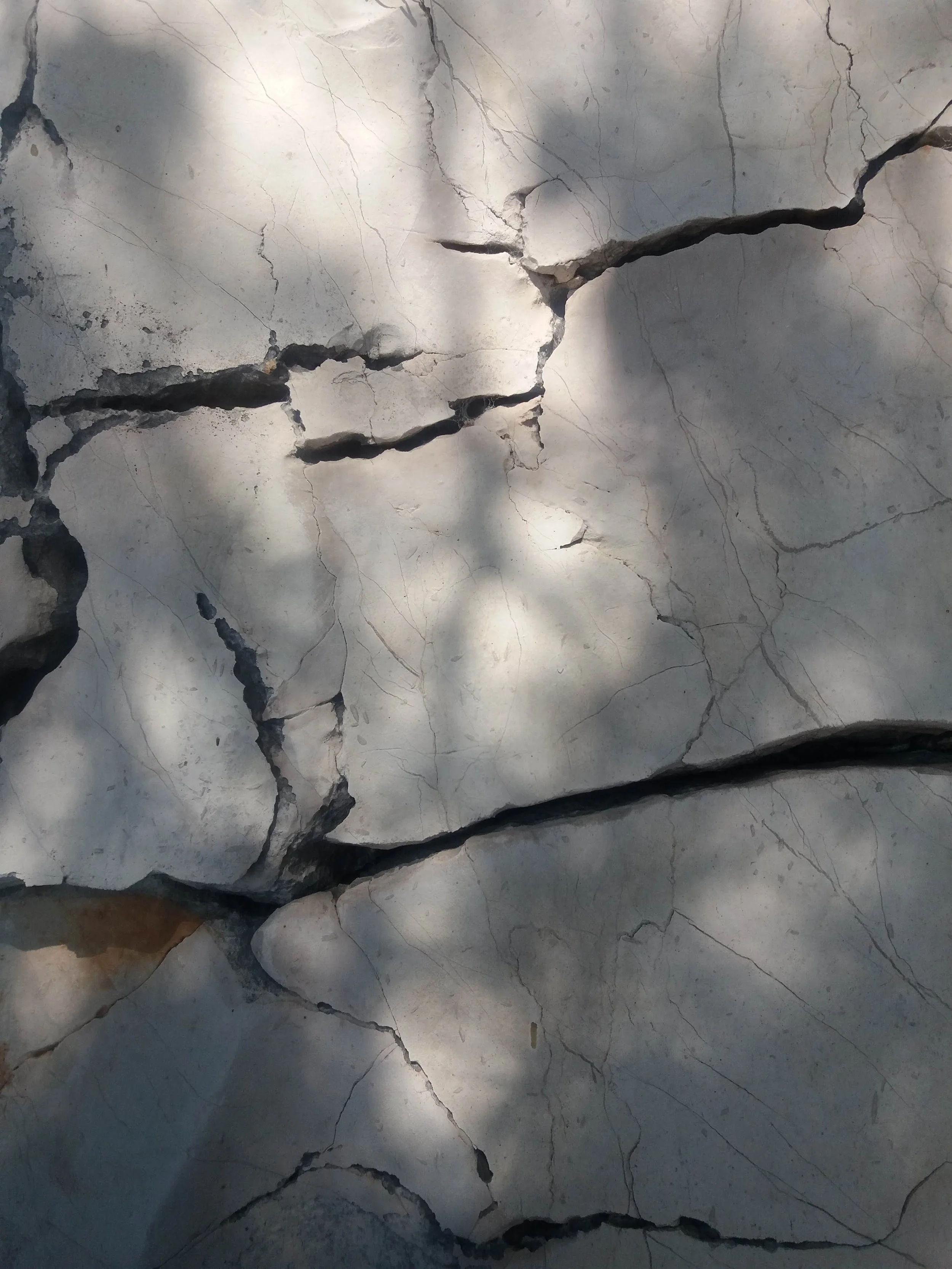
The Uncarved Block, Unbleached Silk
On creating with what is already there
Alan Watts believed the uncarved block and the texture of unbleached silk embodied something essential: an appreciation for material before it becomes art.
Before the carving.
Before the polish.
Before the desire to improve what already exists.
These two Taoist metaphors invite us to reconsider our relationship with creativity. What if creation were less about imposing our will upon something, and more about noticing the direction it is already moving?
The uncarved block represents potential in its natural state. Unbleached silk speaks to beauty before refinement. Together, they suggest that there is wisdom in allowing something to remain close to its original nature.
Watts was careful not to frame this as a divide between nature and human creation. A building, he observed, is no less natural than a bird's nest. Both emerge from the same living world. The difference lies not in whether something is made, but in how it is made.
Some creations feel forced.
Others seem to arise naturally, as though they were always waiting to be discovered.
Working with, rather than against
Watts illustrates this through the Japanese garden.
Although these landscapes require immense discipline, years of pruning, careful placement and continual care, the finished garden never announces the labour behind it. It appears effortless. The gardener is not forcing nature into submission, but working with its tendencies, allowing the landscape to become more fully itself.
The same principle can be found in sculpture.
Rather than approaching a block of stone with a fixed idea, the sculptor listens to the material. The grain, the weight and the imperfections begin to suggest a direction. Creation becomes a collaboration rather than a conquest.
The discipline is present.
The hand is present.
But the force is absent.
This reflects the Taoist principle of wu wei, often translated as effortless action. It does not mean doing nothing. Rather, it describes acting in harmony with the natural movement of life instead of constantly resisting or controlling it.
Perhaps the role of the creator is not always to invent the form.
Sometimes it is simply to notice the form already emerging.
The beauty of solitude
Watts continues by exploring a series of Japanese aesthetic principles, each offering a different way of experiencing beauty.
The first is sabi.
Often associated with solitude, sabi is less about loneliness than it is about spaciousness. Watts evokes the image of a solitary figure walking through mountain landscapes, not removed from life, but deeply immersed within it.
In a world overflowing with references, trends and constant opinion, solitude becomes an act of creative preservation.
It creates enough distance from the noise for our own voice to become audible again.
Without moments of quiet, we risk becoming what Watts called a "rubber stamp," repeating ideas that never truly belonged to us.
Originality often begins with stillness.
Returning to the ordinary
Where sabi offers space, wabi offers perspective.
Watts describes the feeling of becoming overwhelmed by the weight of the world, only to suddenly notice a small weed growing beneath a hedge, or water moving endlessly across stones.
Nothing has changed.
Yet everything feels different.
The ordinary interrupts the overwhelming.
Attention shifts.
The mind softens.
The humble details we normally overlook remind us that beneath the complexity of modern life, something simple continues.
Nature grows.
Water flows.
Seasons return.
Wabi is not optimism, nor is it denial.
It is the quiet recognition that something enduring remains beneath the noise.
Perhaps attention itself is a way home.
The beauty of passing
Another principle Watts explores is aware, a sensitivity to impermanence.
Everything changes.
Nothing can be permanently held.
Rather than encouraging detachment, aware asks us to become more tender toward the fleeting nature of life.
Watts imagines a banquet hall after the guests have left. Empty glasses remain on the table. Crushed napkins sit quietly where conversations once unfolded. The room holds the lingering presence of what has already passed.
The beauty lies not despite its impermanence, but because of it.
We notice more deeply when we understand something cannot remain forever.
Perhaps this is why certain places, conversations and seasons stay with us long after they have ended.
Their passing gives them weight.
Living with atmosphere
Watts also speaks of fūryū, a quality connected to wind, flow and atmosphere.
He describes someone fishing beside a quiet river.
If their attention is consumed only by catching fish, the deeper experience is lost.
But if they become aware of the changing light, the movement of water, the sound of the breeze and the stillness surrounding them, something shifts.
They are no longer simply performing an activity.
They are fully inhabiting the moment.
For Watts, this is richness.
Not abundance.
Not accumulation.
But the capacity to experience life completely.
He describes it as a kind of "rich poverty" — possessing little while experiencing the world deeply.
It is a reminder that the greatest luxury is rarely found in what surrounds us.
It is found in the quality of our attention.
Before we shape the form
The uncarved block and unbleached silk are ultimately invitations to reconsider how we create.
In business, design and everyday life, our instinct is often to improve, optimise and refine. We search for the next strategy, the next system or the next solution.
Yet sometimes the most important creative act is not adding more.
It is becoming quiet enough to notice what is already there.
To work with the grain instead of against it.
To leave space for mystery.
To trust that not everything needs to be forced into existence.
Perhaps the most meaningful work is not created through control.
Perhaps it emerges through attention.
Because before every beautiful form, there is simply an uncarved block, waiting to reveal what it has always contained.