
RELIC FORM with Thom Moutafis
1. PLEASE DESCRIBE WHO YOU ARE, WHERE YOU ARE FROM, WHERE YOU ARE BASED AND WHAT MEDIUMS THAT YOU CREATE IN
I always try attune to nature, and as I mature the deeper the bond.
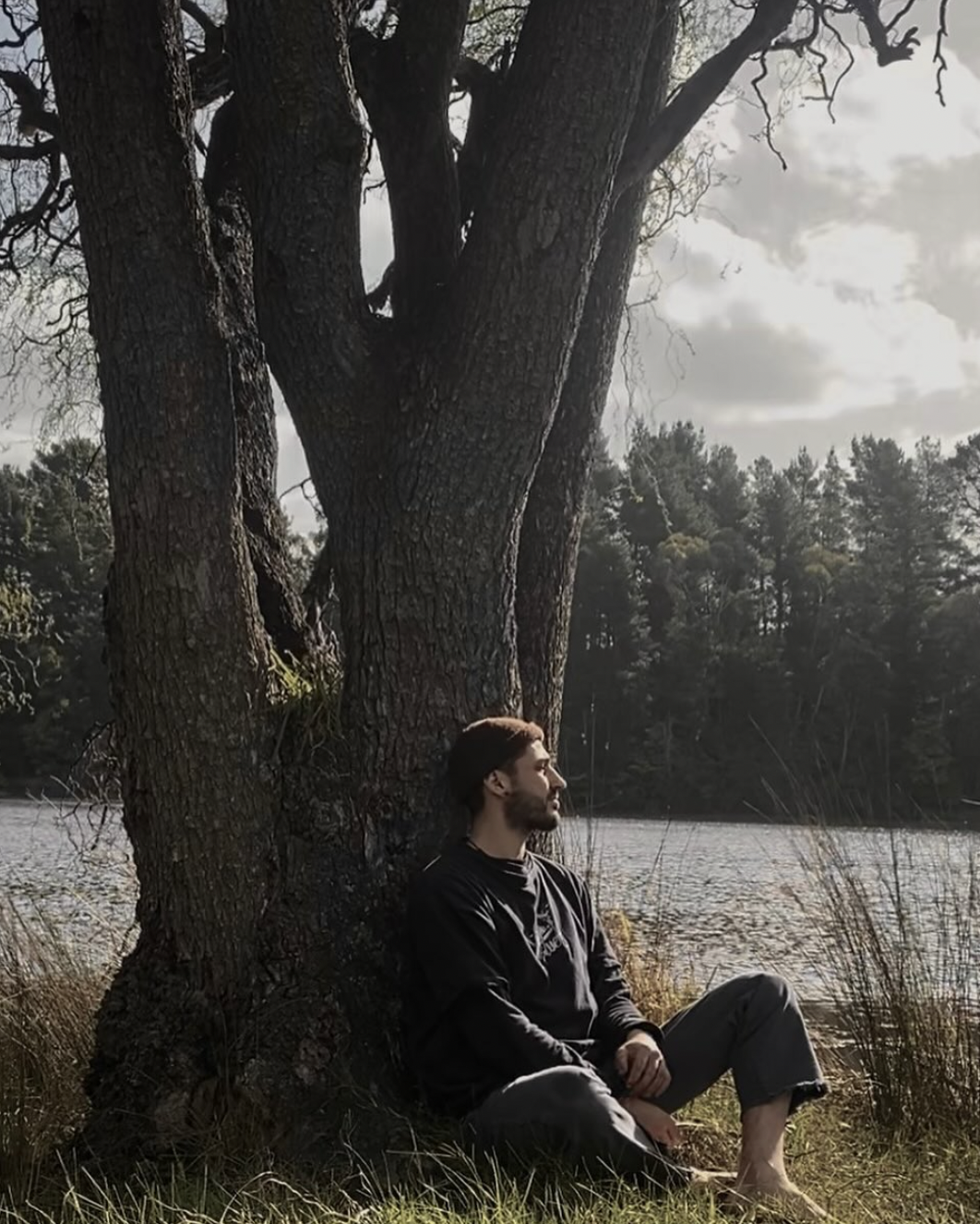
From the roots of a fisherman, born and raised on the east coast of Victoria, Australia, with Mediterranean heritage.
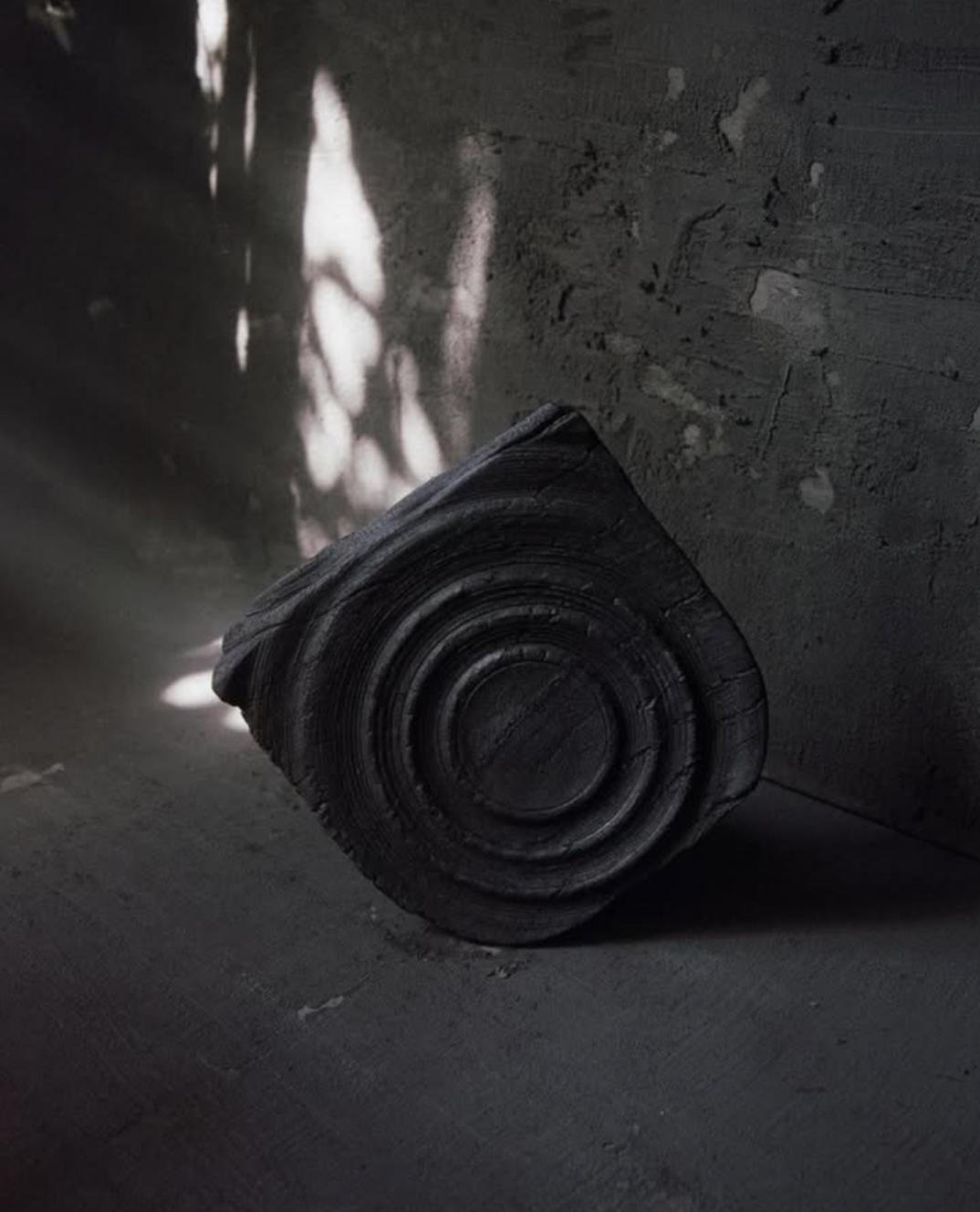
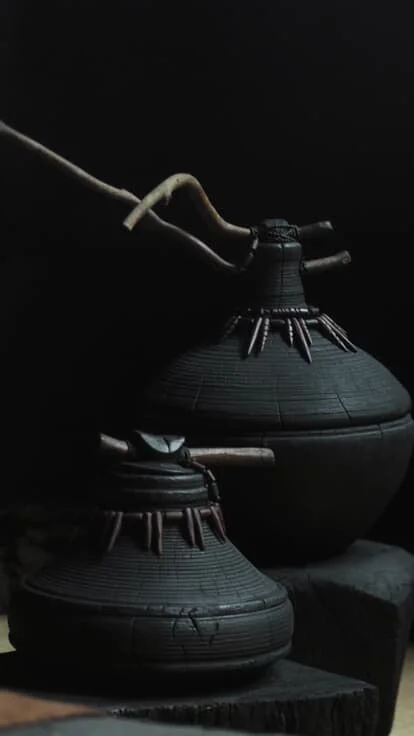
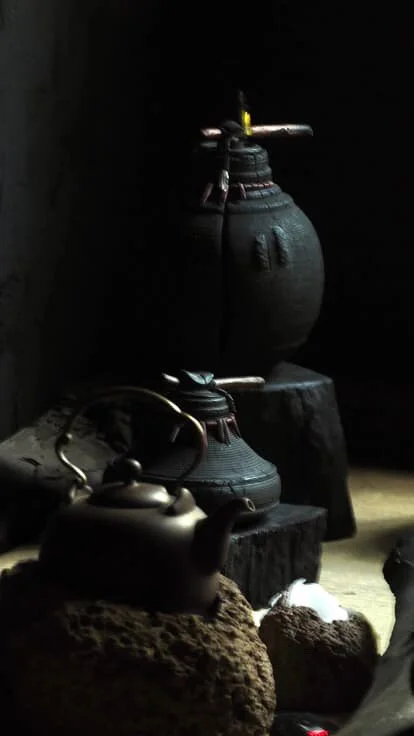
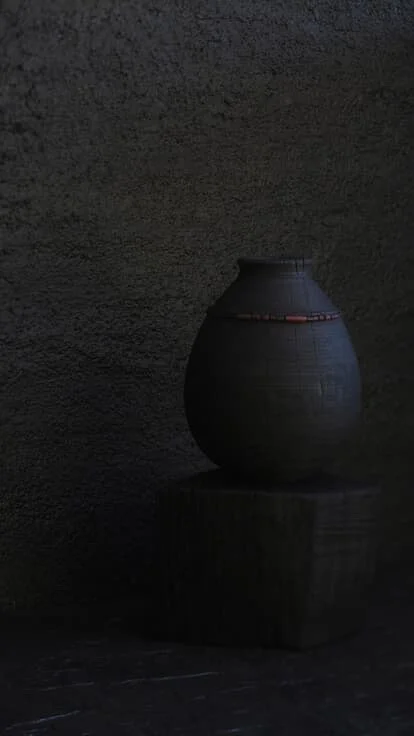
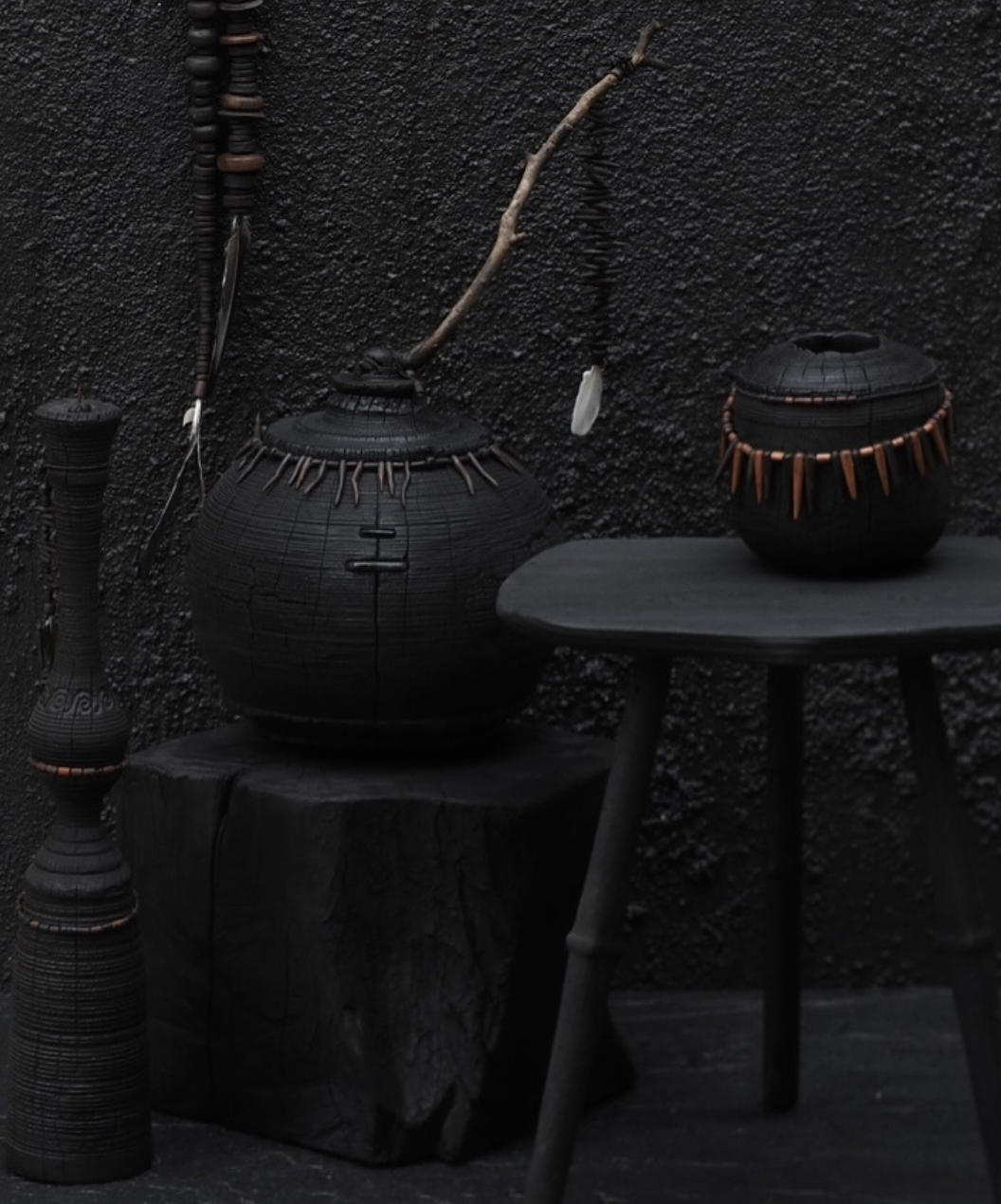
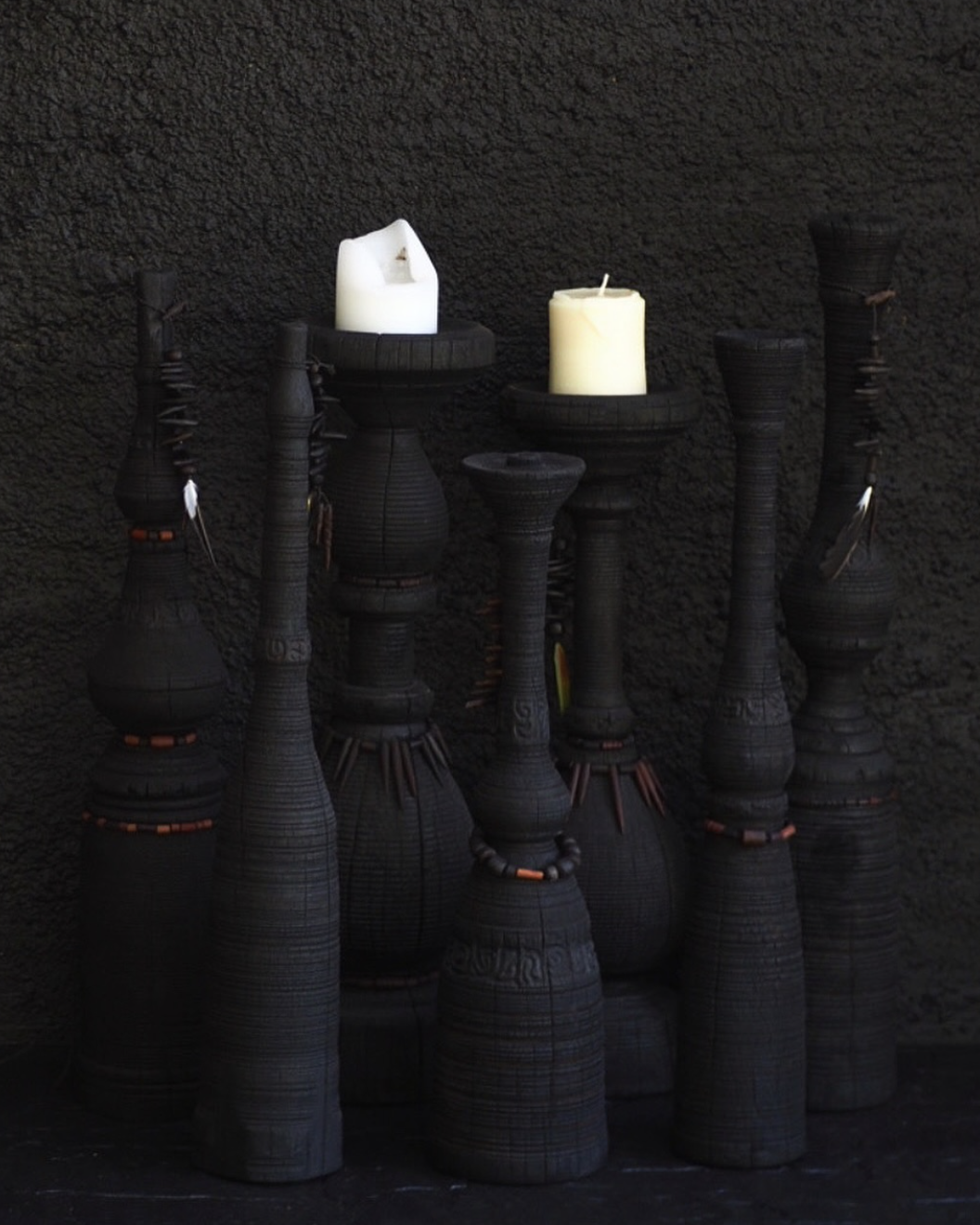
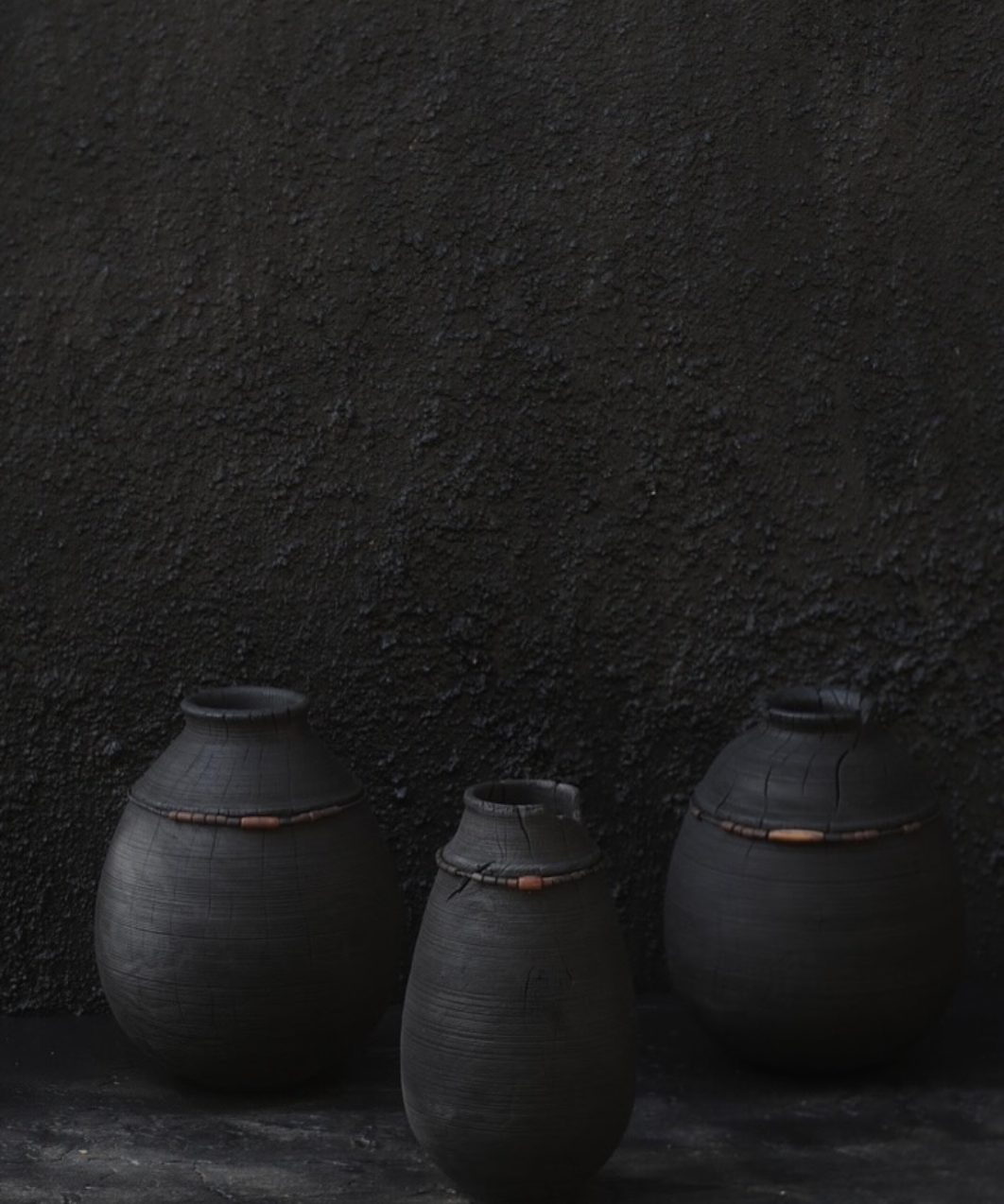
The adventure of working and traveling the seas of the southeast coast shifted to land as I closed out the ‘pirate life’ chapter and moved to Naarm / Melbourne where the Relic workshop is based. Initially picking up carpentry tools within the construction industry, to now five years of a dedicated journey exploring the world of wood, a self-taught woodworking artist currently embedded within the process of making and sharing a collection of vessels, artefacts, and ceremonial designs working with ancient/contemporary preservation practices such as Yakisugi and woodturning. Crafting pieces that honor the natural world, reflecting the human imprint left behind through the corridors of time and our relationship with the environment around us and within us.
2. WHERE DO YOU FIND INSPIRATION AND WHAT ARE SOME OF THE COMMON THEMES YOU EXPLORE WITH YOUR WORK?
There’s something to be said about the connection between the human journey on earth and our forests, the kinship with our trees, our trees are providers and caretakers, they’re are always listening, always sharing quiet wisdom.
Time spent in the forests that make up the Dandenong Ranges and surrounding regions allows me to slow down and receive from both nature and the internal landscape, This listening has become the bridge between worlds to bring creation to the surface, gifting space to myself to draw inspiration from a deep place within me, through observing the nature of our external world and noticing the ability our trees have to adapt and heal, the organic patterns, textures and tones found in the wilderness influence me to explore the process of carving the wood artefacts you see.
I feel a strong pull towards process. When you’re open to it; wood can pull you inwards reflecting the nature of the self.
For me this pull doesn’t fade, the internal flame always continues to flicker, to seek through process. It can get chaotic and it can be meditative, so I just keep asking questions, I keep pushing self-limiting boundaries by opening myself up to it, through this gateway the intent and curiosity, the mindset of ‘ being open to not knowing anything’ gives me the opportunity to further more ask questions, to question everything and explore the endless-web of energy we call creation.
You can really feel yourself out in the forest, Our trees are ancient and so are we, I aim to carve vessels and artefacts that can last an age, to live with you.
I've learned to read the trees and enough of the landscape now to see what’s within the wood, and what’s within me, the active listening again, forever present. I guess if you look at it enough you pick things up along the way.
There’s a level of reading the qualities of each piece of wood and then stabilizing it through the way each tree tells you to carve and shape the form through the finishing and preservation methods to end up with the artefacts and relics I share, using an age old Japanese wood burning and preserving practice seems to be the best way i've found to ensure these pieces live on for a long time.
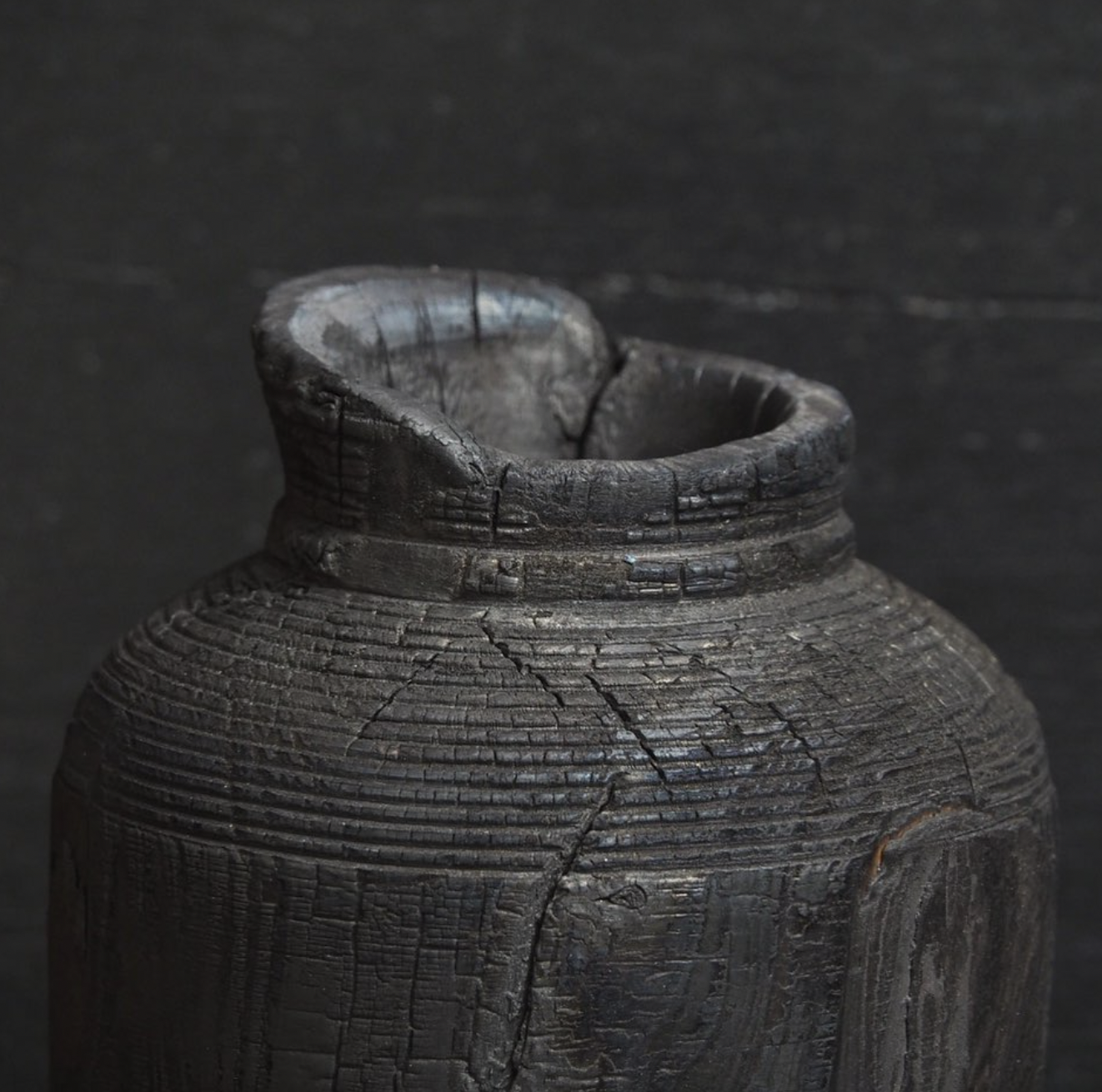
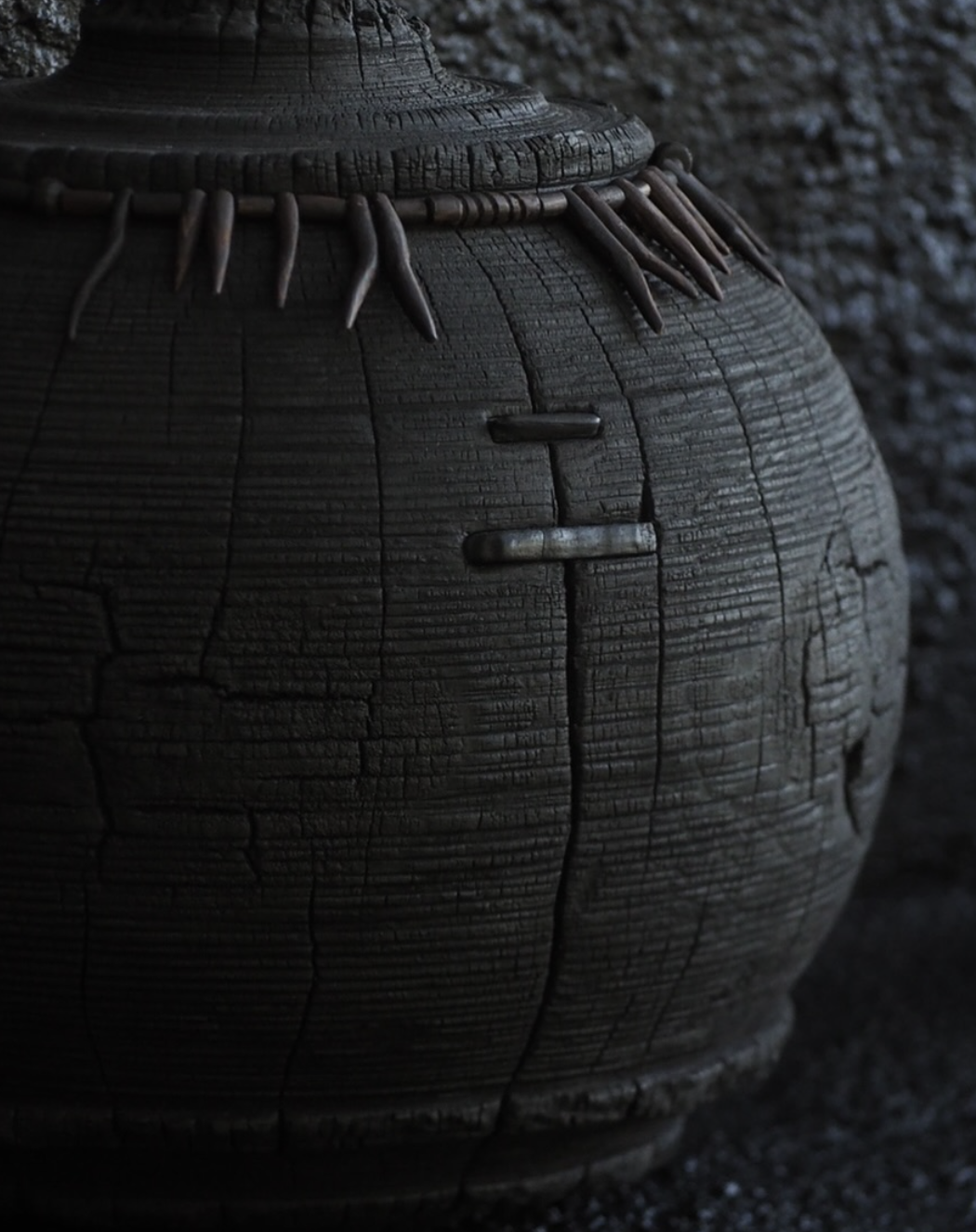
Sometimes I ask myself what are were leaving behind? An oasis of thought forms springs from it, delving into research of old-world remnants of past civilizations, the ruined structures and the slow dissolving of these structures. The architectural design is one thing, the significance to the peoples who made it is another and then the construction of it all, like the joinery and stacking of material, how the presence of the structures add to the landscape, often built into it. A real draw of inspiration for me is how the surface of these structures look and how they feel, the touch of it’.
Weathered stone works with cultural motifs, the intricate patterns and symbology etched into the walls, spires, pillars, and archways. I hope to translate it into my own expression, maybe you can see these themes embedded into my design.
Truth be told in the last couple of years I’ve had my fair share of both conflict and healing, These works are more often conceived in darker periods, using the process of making these carved wood vessels as a tool to essentially heal, to spiral out of the dark into a grounded state, the expression that comes through it, is real. It's an authentic outpour of emotion so I hope these offerings resonate beyond my personal level to the collective level, serving as a reminder to connect with nature always.
3. HOW DO YOU BALANCE THE BEAUTY OF IMPERFECTION WITH TECHNICAL SKILL, CRAFTSMANSHIP AND YOUR UNIQUE ARTISTRY?
Often I've found balancing the beauty of imperfection with craftsmanship involves the continuous exploration of a nuanced and deeply personal process.
There are many pathways towards balance, it looks different for everyone. For myself, it's building a solid foundation of skill through dedicated patience knowing that my understanding and practice of woodworking will refine in time if I can give it healthy attention.
The reciprocity with our environment is integral to me, acknowledging the tree's life and role in our landscape, by greeting myself and giving thanks a dialogue between material and maker can begin here, each tree has a story to share. Its natural characteristics really dictates any path selection towards a creation, surrendering to the perpetually changing nature that comes with working with wood, by choosing to embrace the voids, knots and splits in the timber can yes, be seen as a weakness in the wood though by allowing the imperfections to emerge as elements of the work, viewing them as opportunities to explore process rather than see them as flaws, they can serve as a pathway towards the balance in process and be a guide to authentic expression, it's all part of the necessary leap of faith required to carry out the work, each piece becoming a celebration of both skill and the beautiful unpredictability of art.
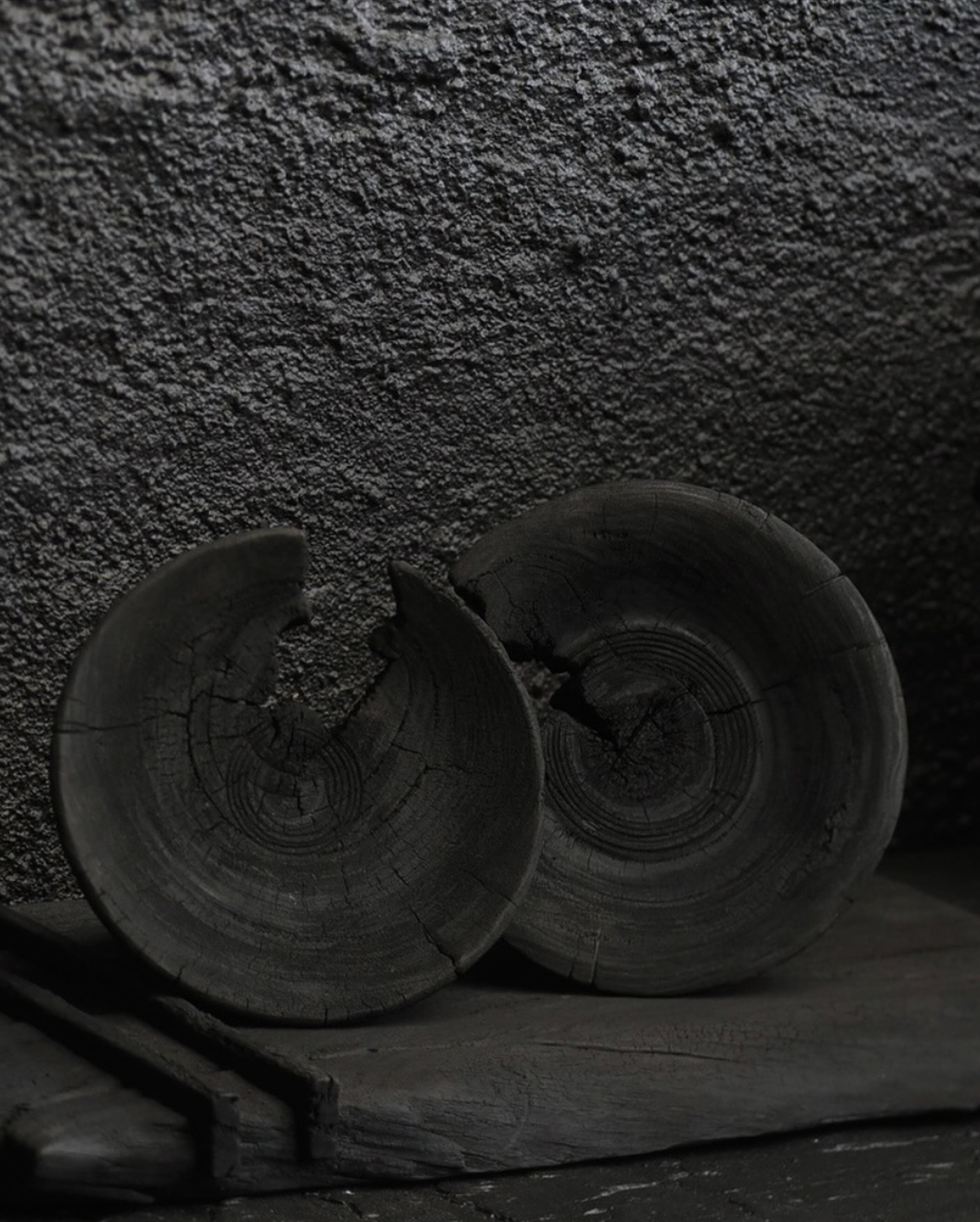
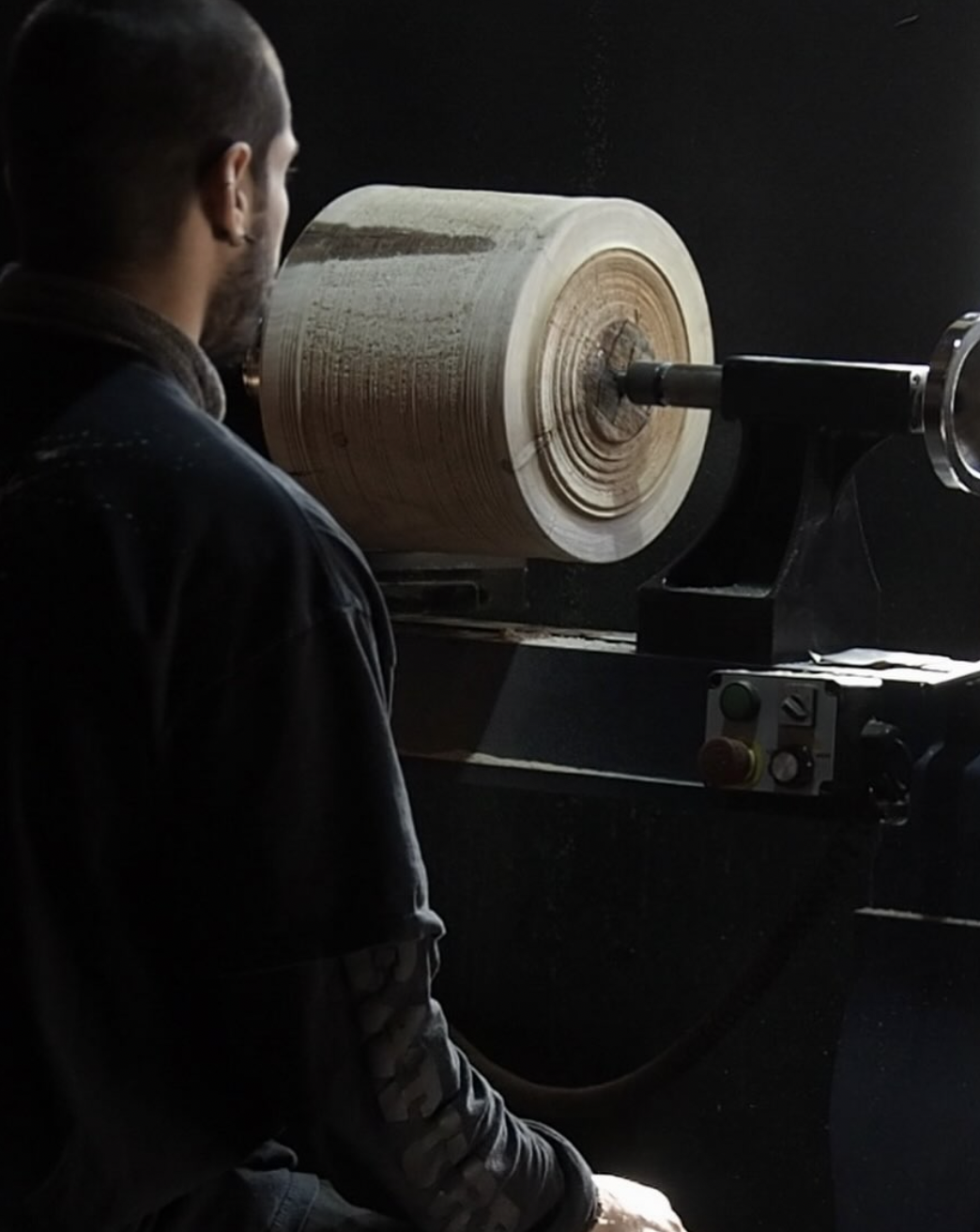
The tone of the blade, as you pass the gouge over the surface, can speak volumes, just as the sound of the saw as it rips through the wood fibers, the direction of the wood grain is speaking to you and you can speak through it with focused interactions, sharing your own language and interpretations of the world around you, bringing all this together as an endless hunt for harmony in process and in life has been a gift to discover through, I'm really thankful for it all, and the support I’ve received along the way.