
SONÃ with Sophie Walther
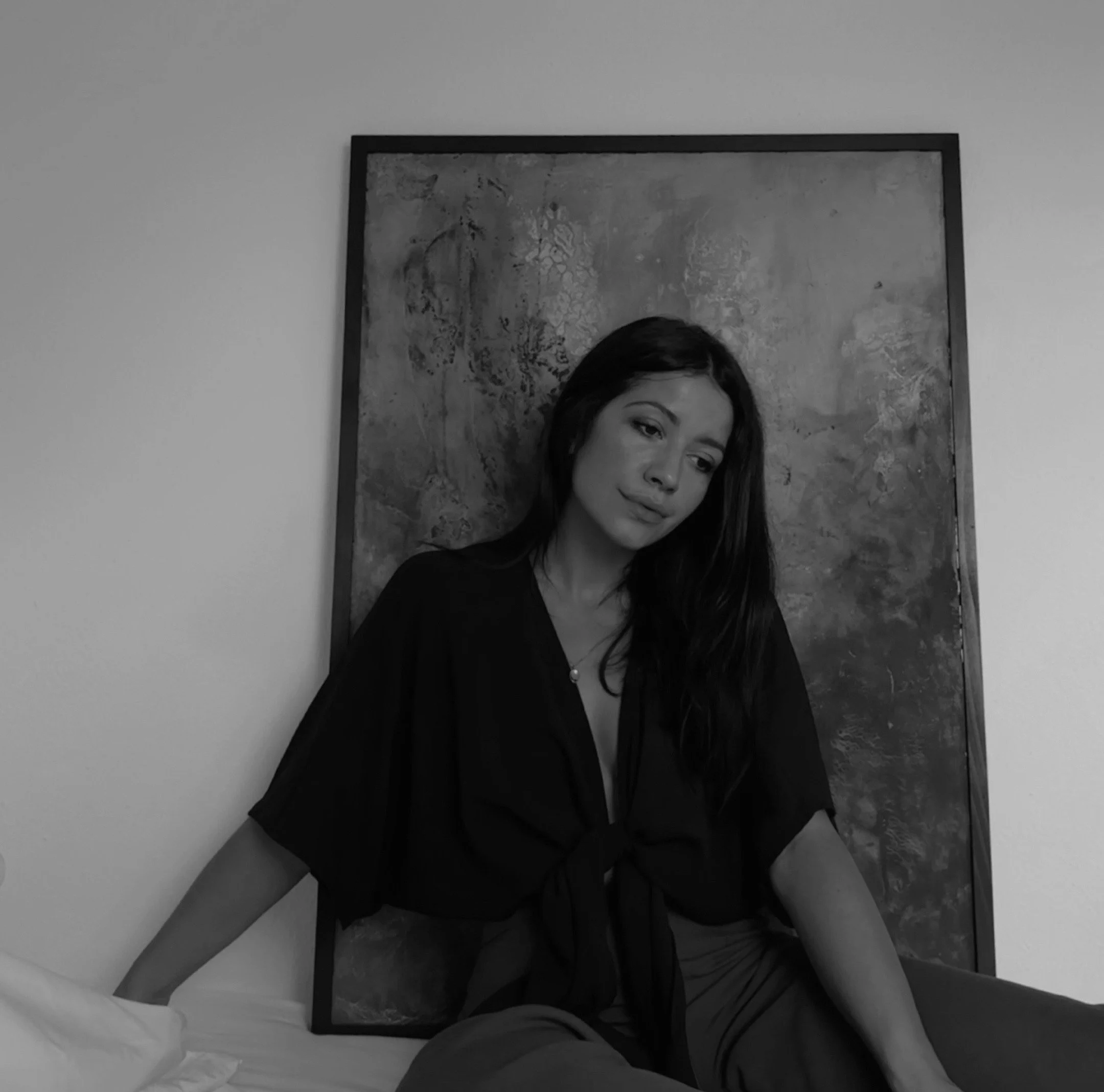
1. PLEASE DESCRIBE WHO YOU ARE, WHERE YOU ARE FROM, WHERE YOU ARE BASED AND WHAT MEDIUMS THAT YOU CREATE IN
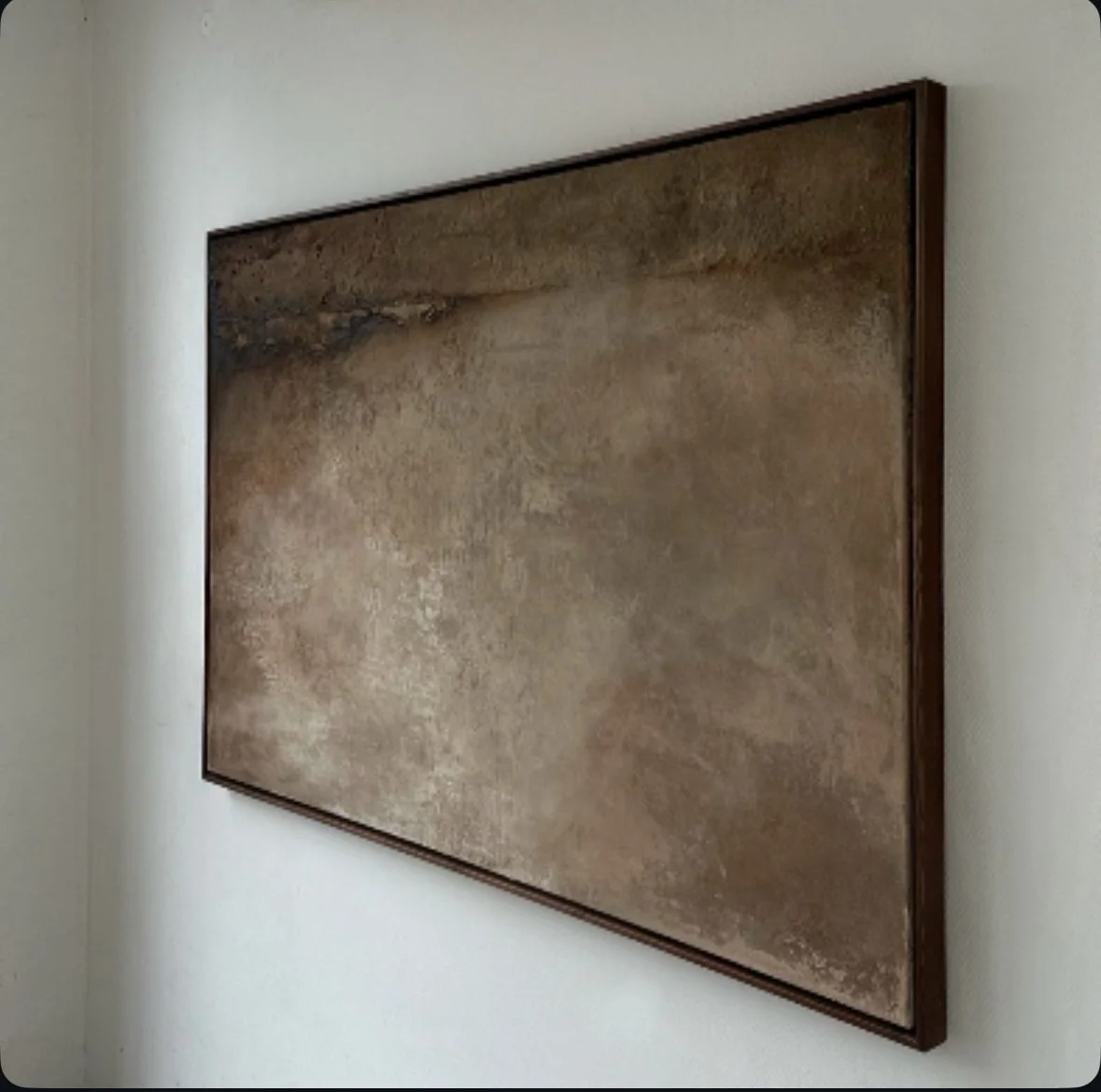
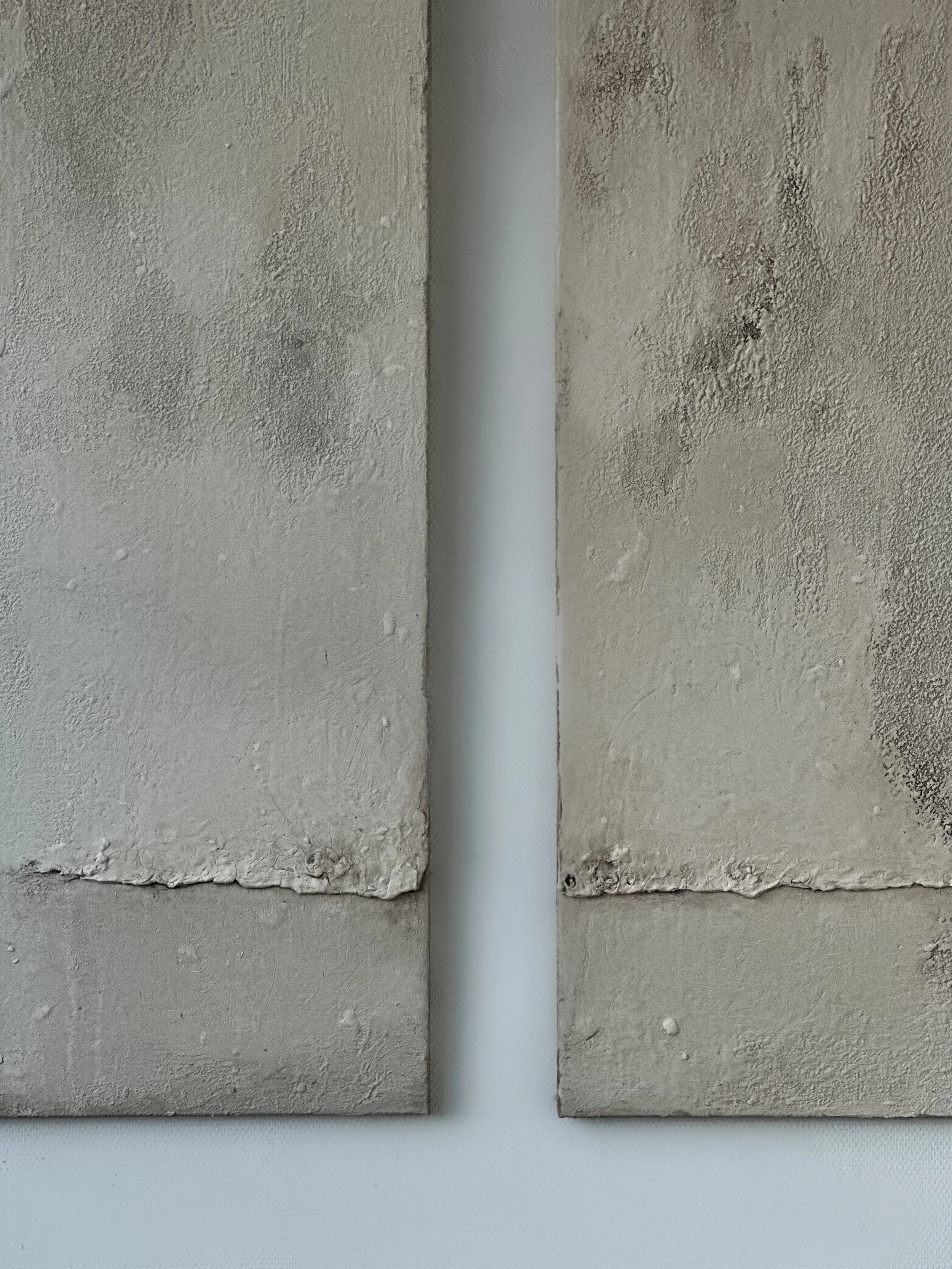
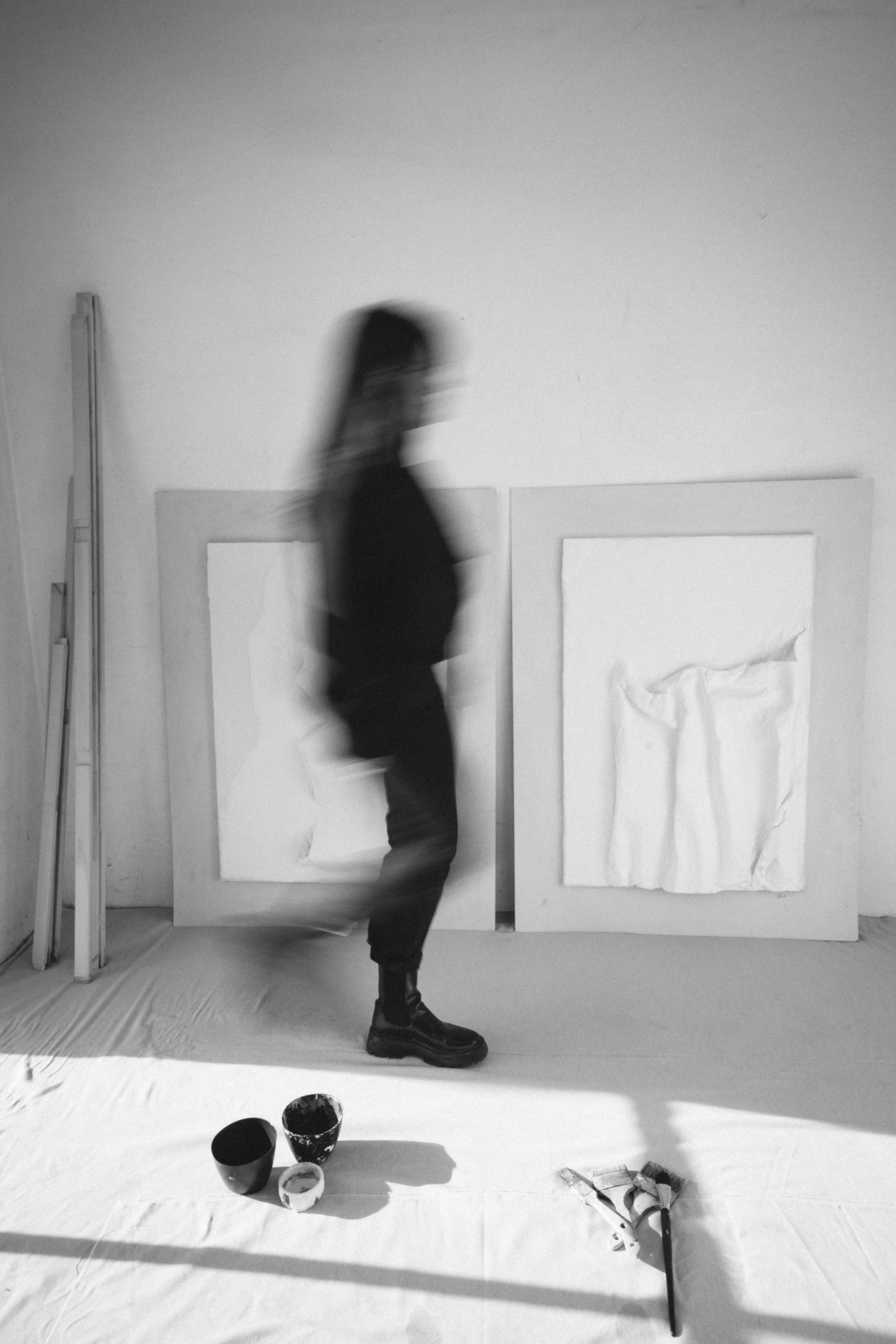
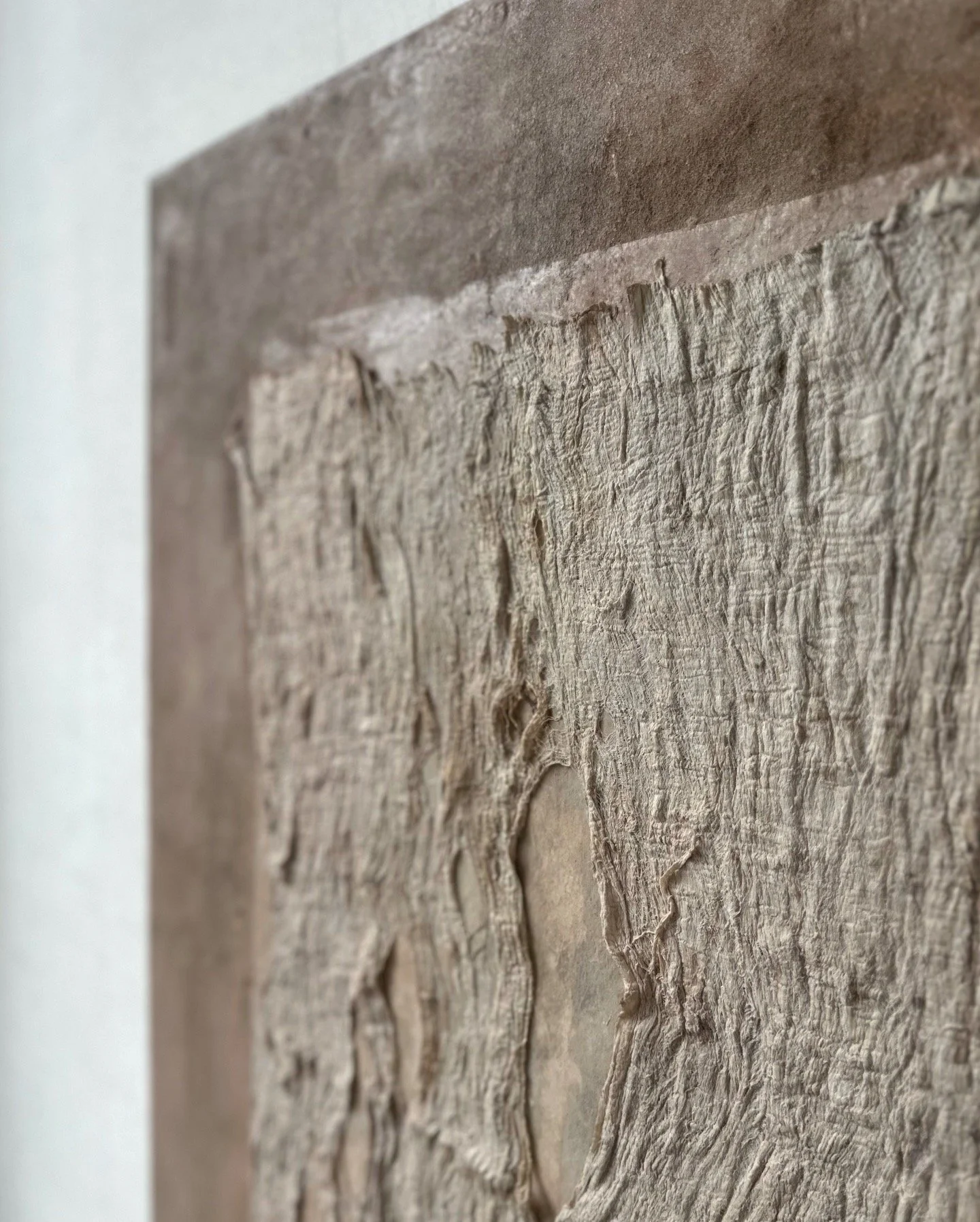
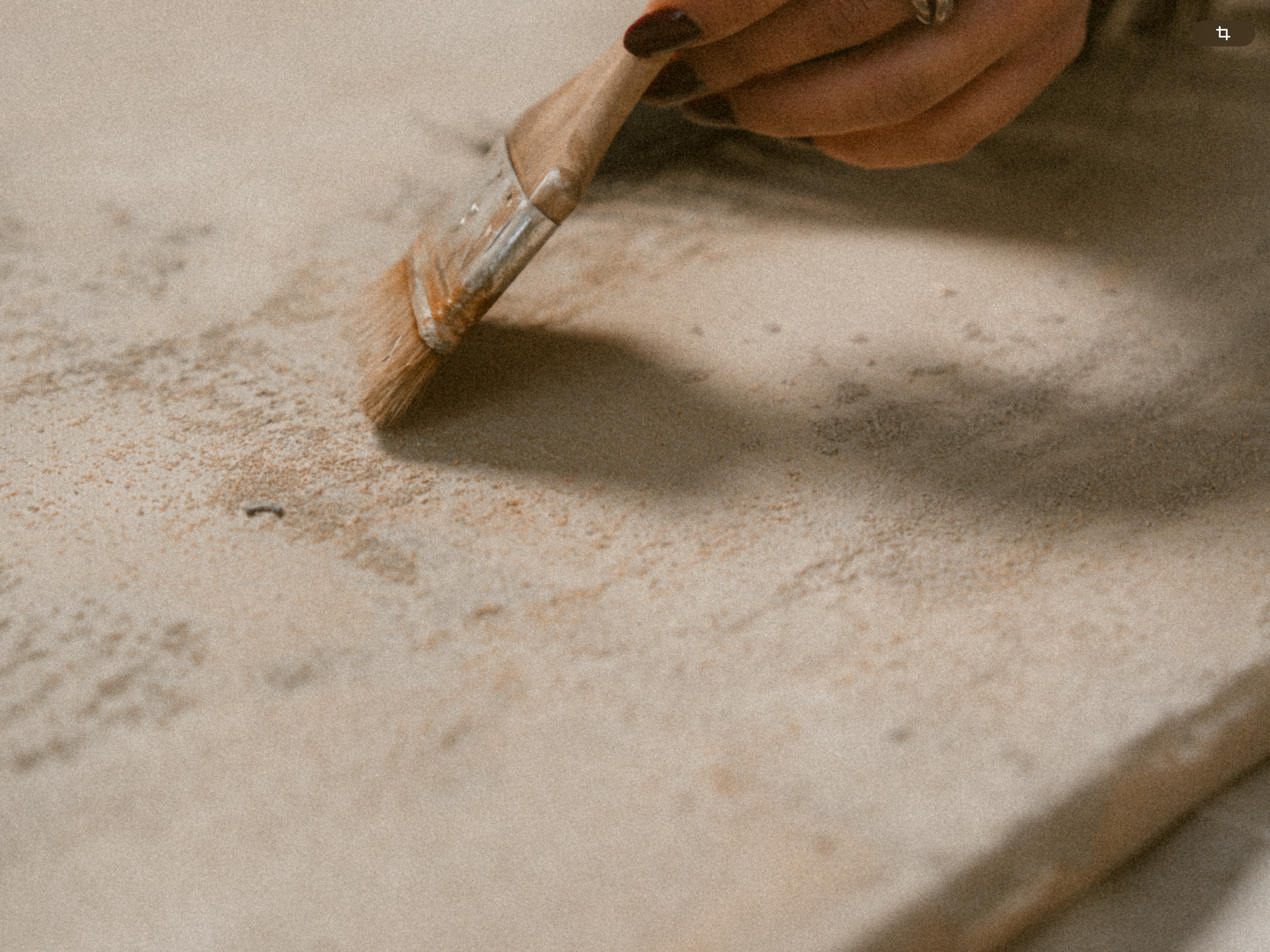
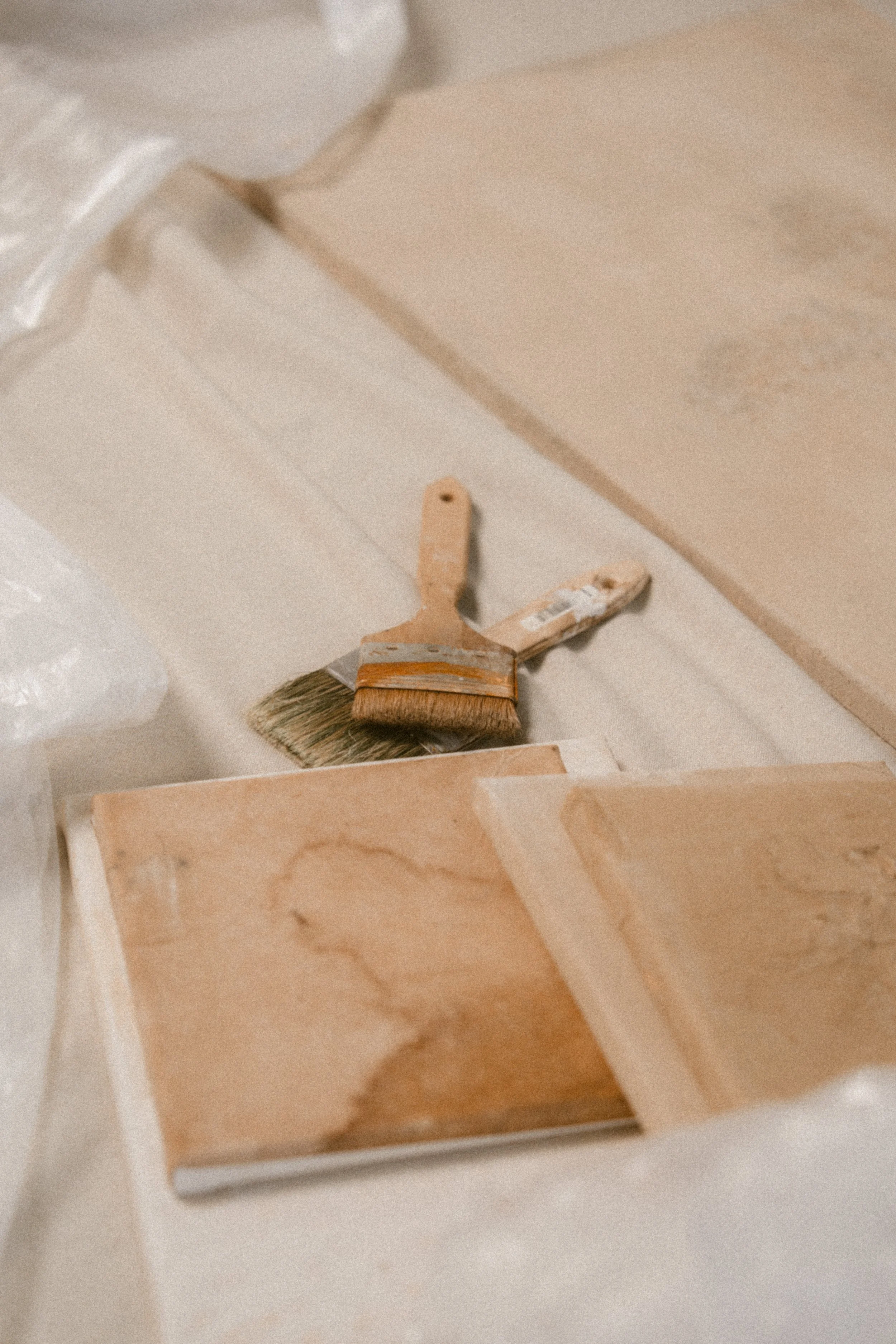
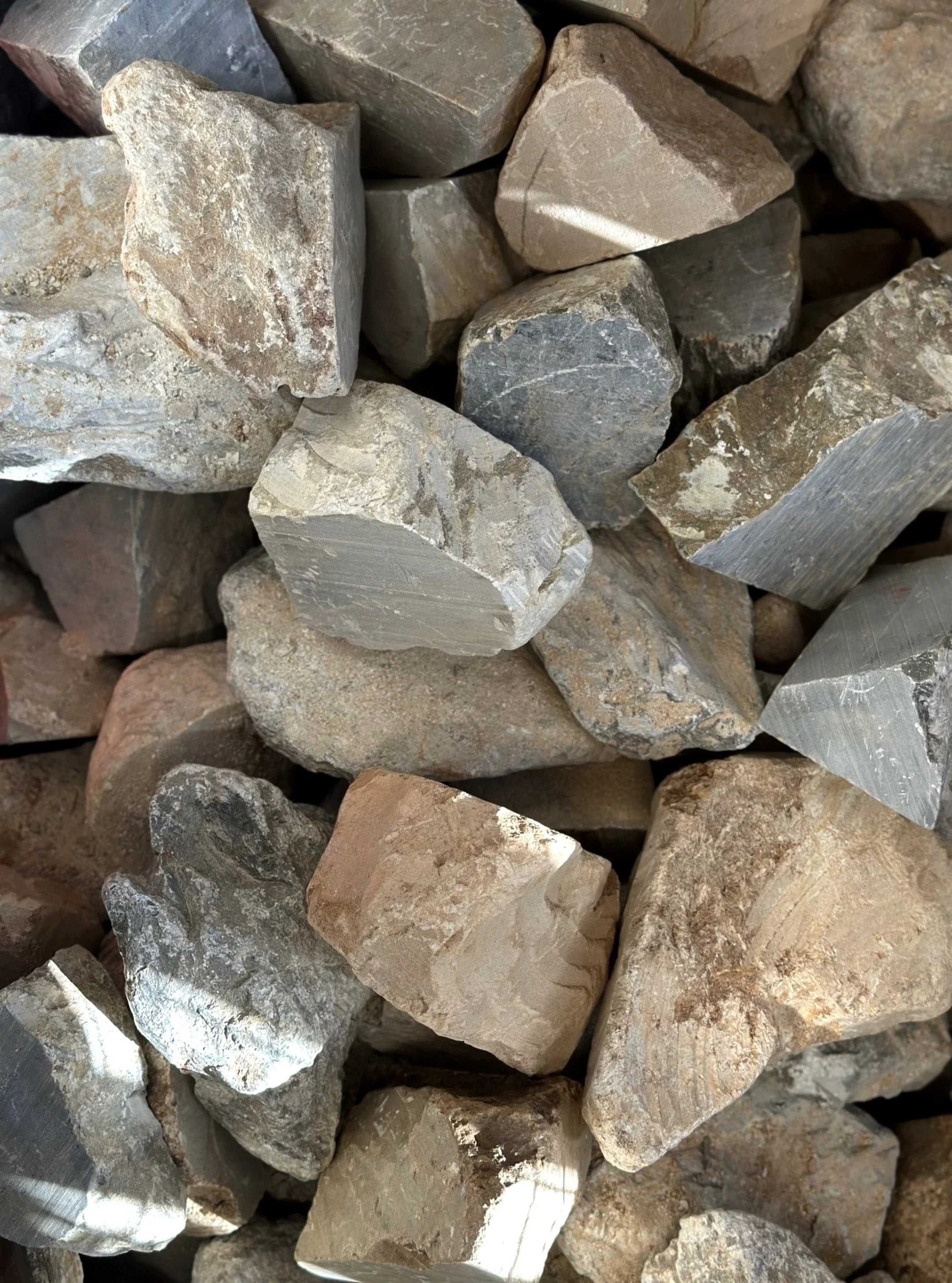
My name is Sophie, and I create under the artist name SONÃ. I’m originally from Plauen, Germany, and I’ve been living in Dresden for the past seven years. Although I was formally trained as a florist, I’ve spent many years exploring art—especially natural, ephemeral, and handcrafted forms of expression. Throughout my life, I’ve been guided by the sensuality and richness of nature. I’m especially drawn to the quiet, minimal aspects of life that offer stillness and grounding in a fast-moving world—moments that allow for genuine presence and perception. In my artistic practice, I work primarily with natural materials such as various stone powders, natural pigments, and other elements that deserve to be seen and valued again. I’m self-taught, and although I’ve already come a long way, I still feel like I’m at the beginning of my creative journey. So many ideas and visions are waiting to take shape through experimentation. I’m excited about what lies ahead and about what I’ll continue to discover about myself through my art.
2. WHERE DO YOU FIND INSPIRATION AND WHAT ARE SOME OF THE COMMON THEMES YOU EXPLORE WITH YOUR WORK?
I draw most of my inspiration from the natural world—its beauty, impermanence, and subtle details. Nature’s sensory richness and diversity deeply influence my creative process. I’m especially fascinated by the small, quiet moments that bring calm and grounding amidst the intensity of modern life.
In addition to nature, I’m inspired by other artists, as well as design, culture, music, photography, architecture, and creative tools like InDesign. These disciplines expand my perspective and often help me discover new ideas and approaches. Recurring themes in my work include natural impermanence, the meaning of simple materials, and the human connection to the earth.
I strive to create a sense of authenticity and timelessness by working with raw elements like stone powder and pigment. My journey is guided by curiosity and experimentation, constantly opening up new perspectives and insights.
3. HOW DO YOU BALANCE THE BEAUTY OF IMPERFECTION WITH TECHNICAL SKILL, CRAFTSMANSHIP AND YOUR UNIQUE ARTISTRY?
That’s a beautiful question—and one that’s very close to my heart. For me, imperfection holds a kind of truth and soulfulness that can make a piece more relatable and meaningful. At the same time, technical skill and craftsmanship provide the structure to express ideas with clarity and intention. I don’t see these as opposites, but as complementary forces. I welcome imperfections as part of the natural process—they add depth and character.
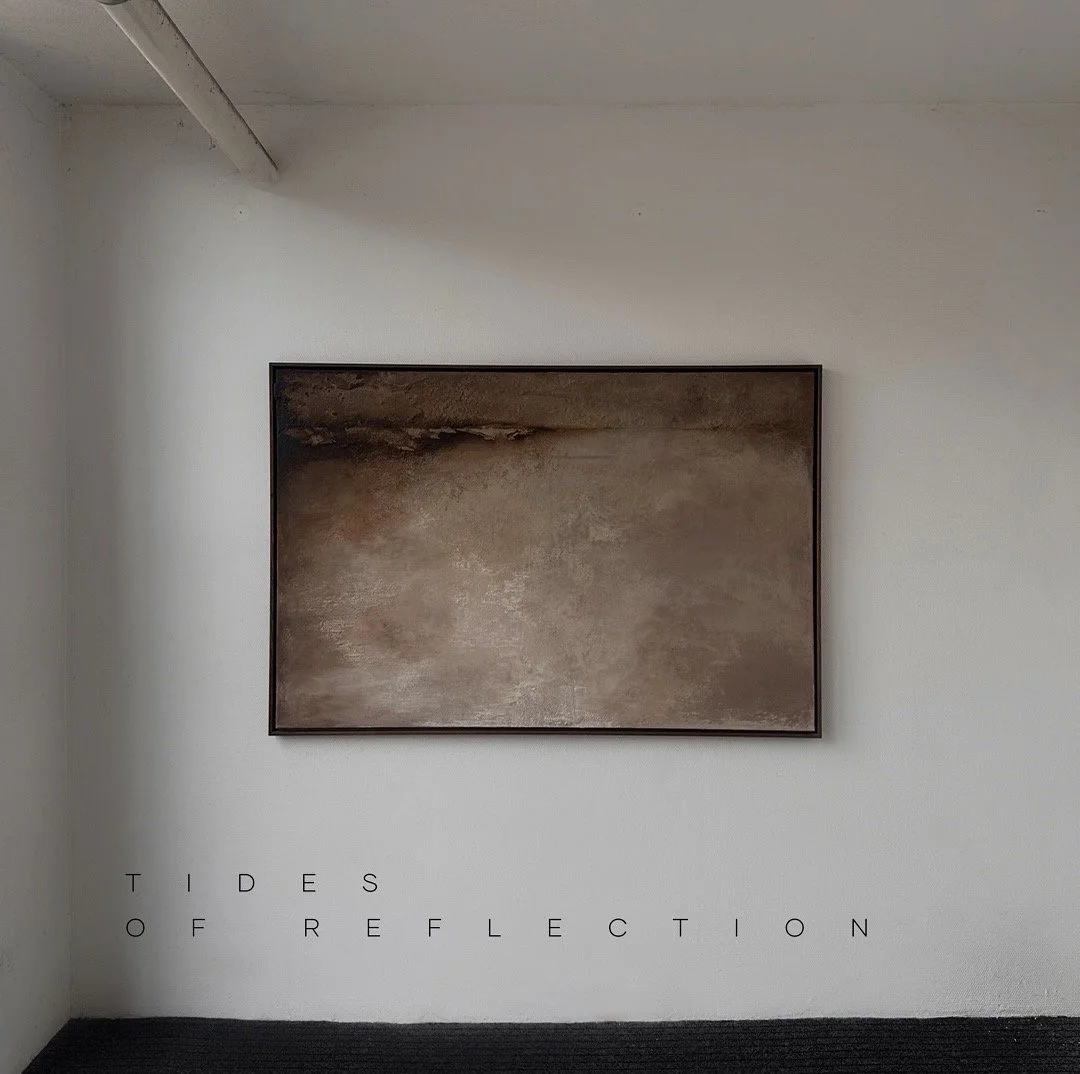
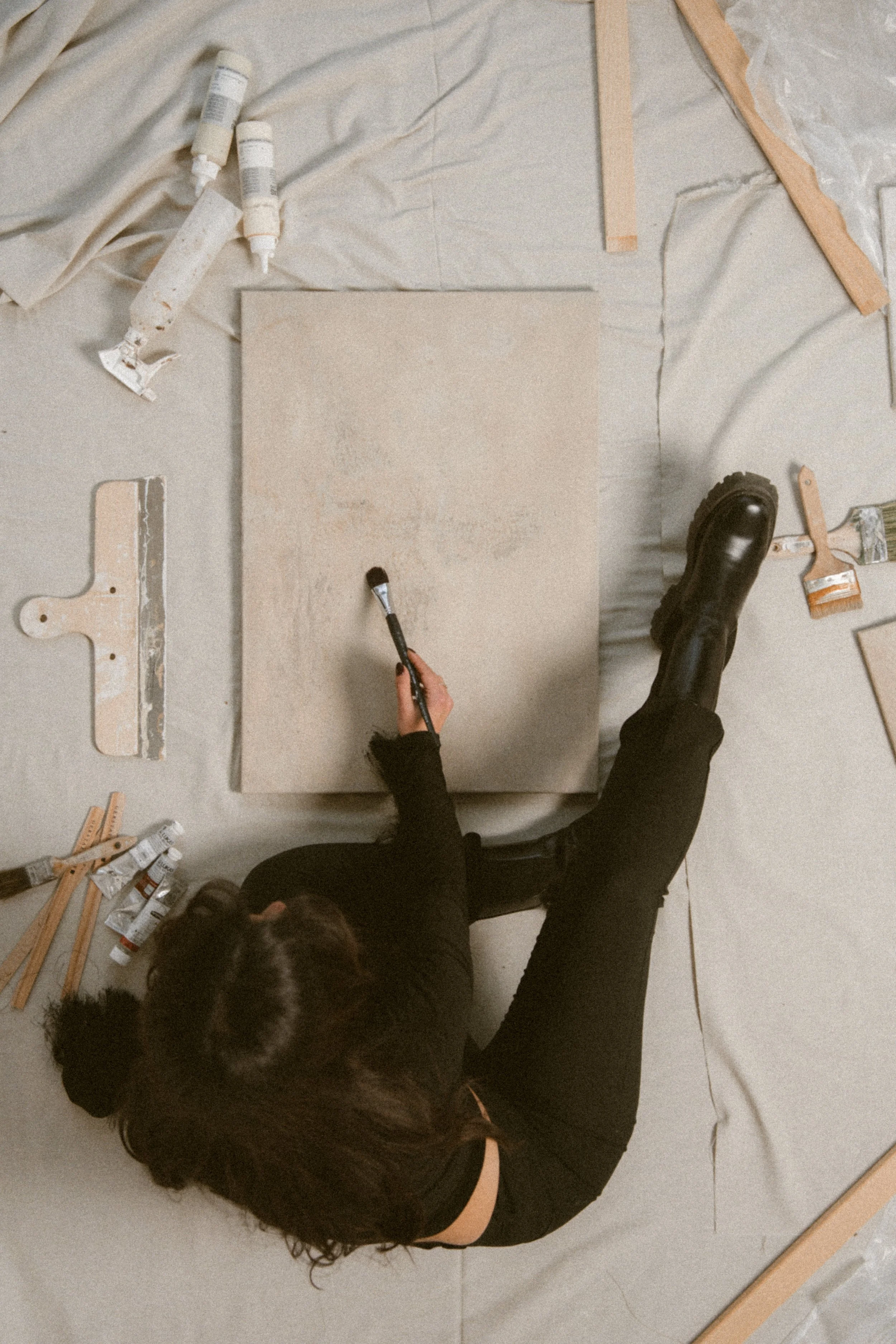
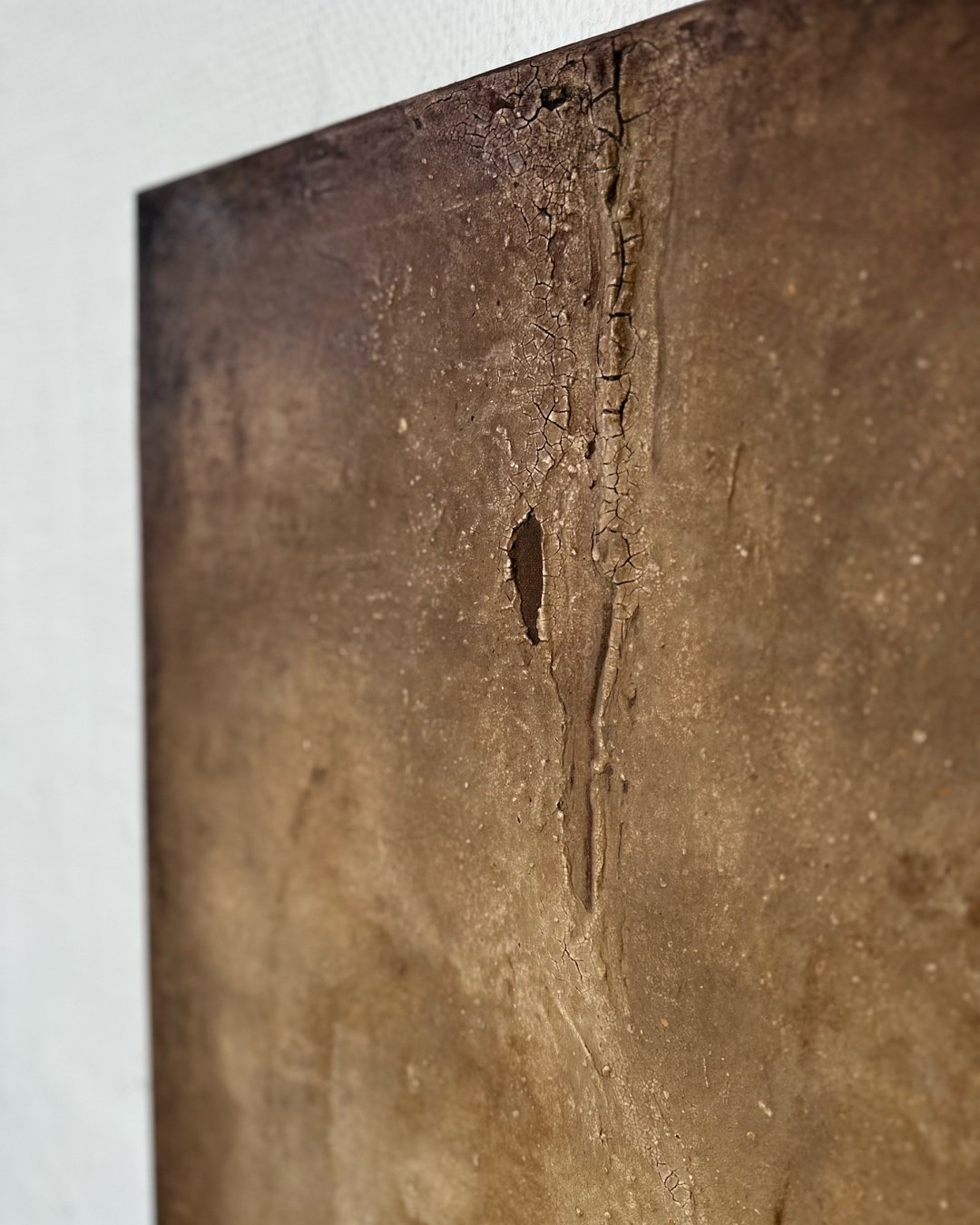
At the same time, I continue to refine my technical skills so that my work feels intentional and well-crafted. This balance allows me to create art that is both honest and refined, and that expresses my personal perspective. I see imperfection as a vital part of human expression—something that enhances, rather than diminishes, the beauty of craftsmanship. It’s all about finding harmony between mastery and spontaneity, and creating pieces that resonate on a deeper level.
“The most important thing is to find your own way of doing things, to listen to your inner voice and to trust it. Art is not about imitation or perfection, but about expressing your true self through the process. When you work with natural materials, you learn to accept imperfections and to see beauty in the subtle variations of color, texture, and form.”
- Agnes Martin